February Blog
Why Your Heating Bill Spikes in February—and What You Can Do About It
If you’ve opened your utility bill in February and thought, “How is it this high?”— you’re not alone. Homeowners across Northern Virginia, Maryland, and the greater DMV area often see February as the most expensive month of the year for heating costs. Even families who are careful about energy use can experience a noticeable spike.
Understanding why this happens can help you make smarter decisions about your home’s heating system—and potentially save money before winter is over.
Why Heating Bills Peak in February in the DMV Area
1. Colder, Sustained Winter Temperatures
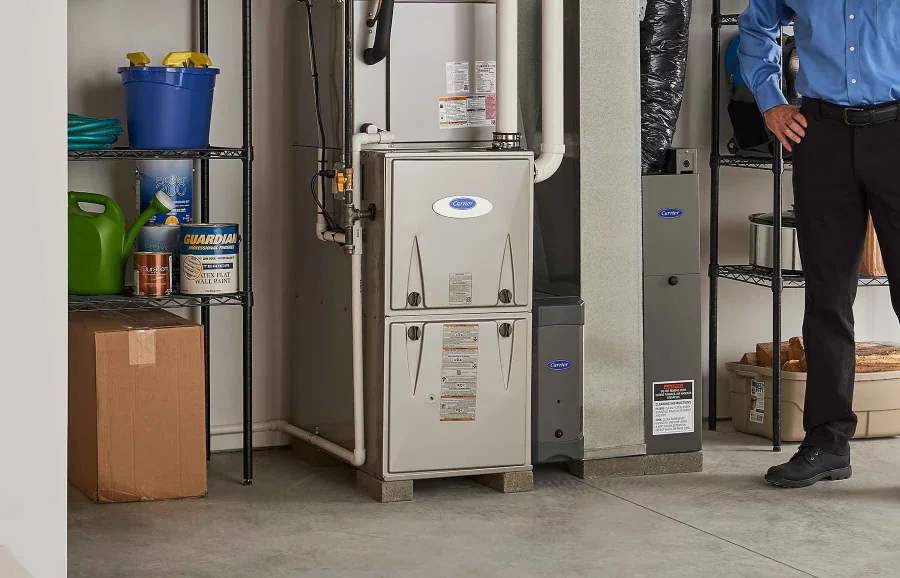
February typically brings some of the coldest and most consistent winter temperatures in our region. During cold snaps in places like Fairfax, Loudoun, Prince William County, and Montgomery County, heating systems must run longer and more frequently to maintain indoor comfort. The longer your furnace or heat pump runs, the more energy it consumes.
2. Increased Wear on Your Heating System
By late winter, your heating system has been working continuously for months. Without regular HVAC maintenance, efficiency can decline due to: • Dirty air filters • Dust buildup on components • Normal wear and tear on parts When efficiency drops, your system needs more energy to produce the same amount of heat—driving up your utility bills.
3. Longer Nights and Higher Household Energy Use
February still brings limited daylight hours in the DMV. This often leads to:
• More time spent indoors
• Increased use of lighting and appliances
• Higher overall energy demand in the home Combined with extended heating run times, this can noticeably impact monthly energy costs.
4. Heat Loss Common in Older Homes Many homes throughout Northern Virginia and Maryland—especially older properties—experience heat loss through:
• Drafty windows and doors
• Inadequate attic insulation
• Unsealed ductwork
Even small leaks allow warm air to escape and cold air to enter, forcing your HVAC system to work harder to keep up.
What You Can Do to Reduce Your Heating Costs
Taking a proactive, educational approach to your HVAC system can help control heating expenses—even in the coldest part of winter.
Replace or Clean Your Air Filter Regularly
A clean air filter allows proper airflow through your system, improving efficiency and indoor air quality. During winter, most HVAC professionals recommend checking your filter every 30–60 days, especially in homes with pets or high system usage.
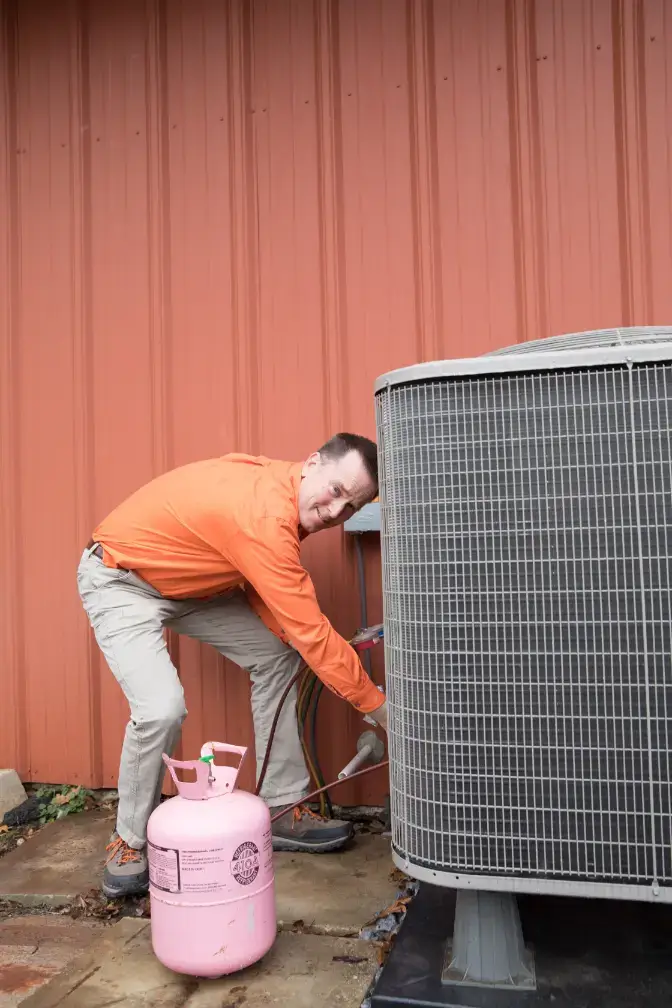
Schedule Professional Heating Maintenance
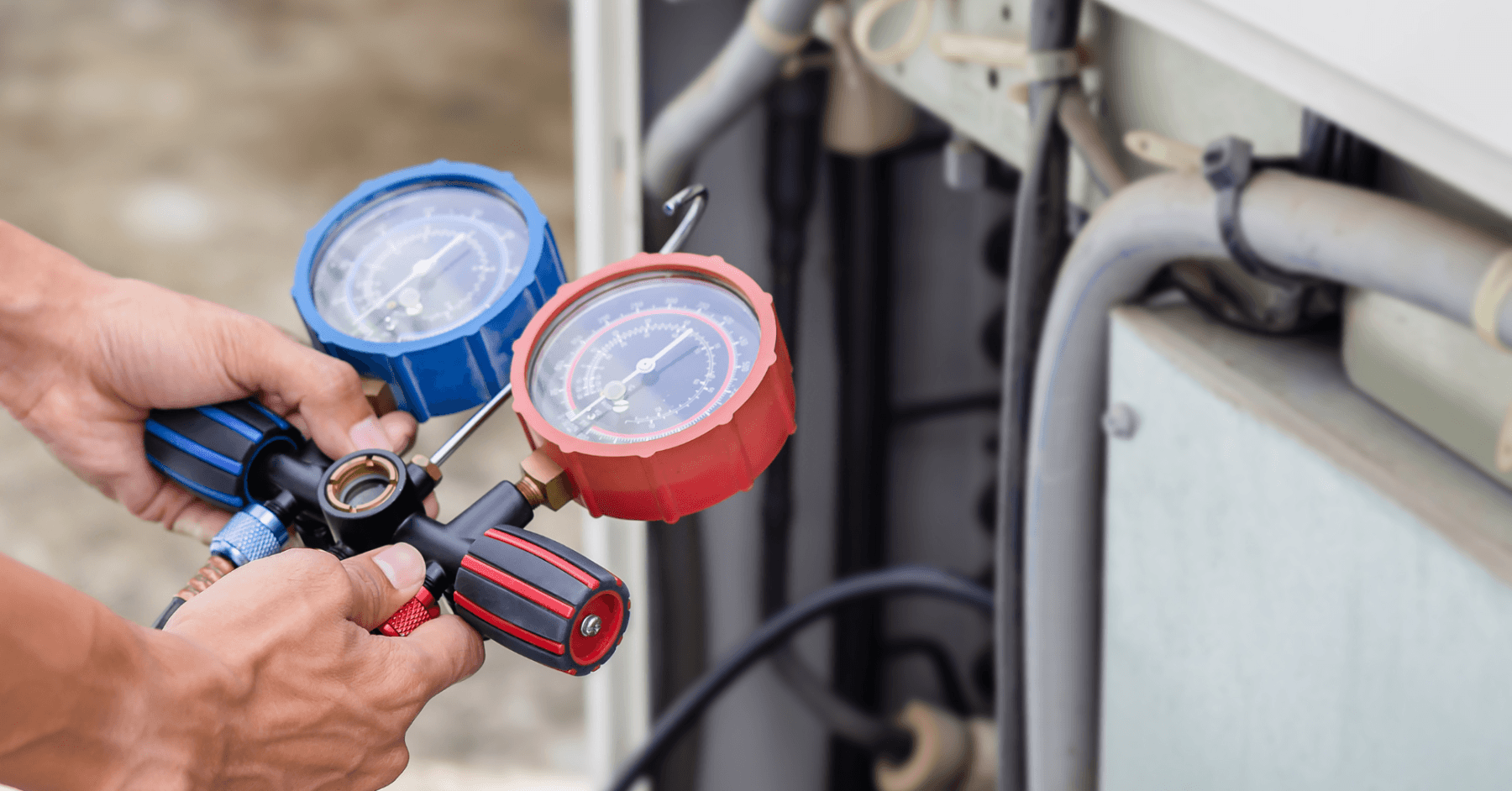
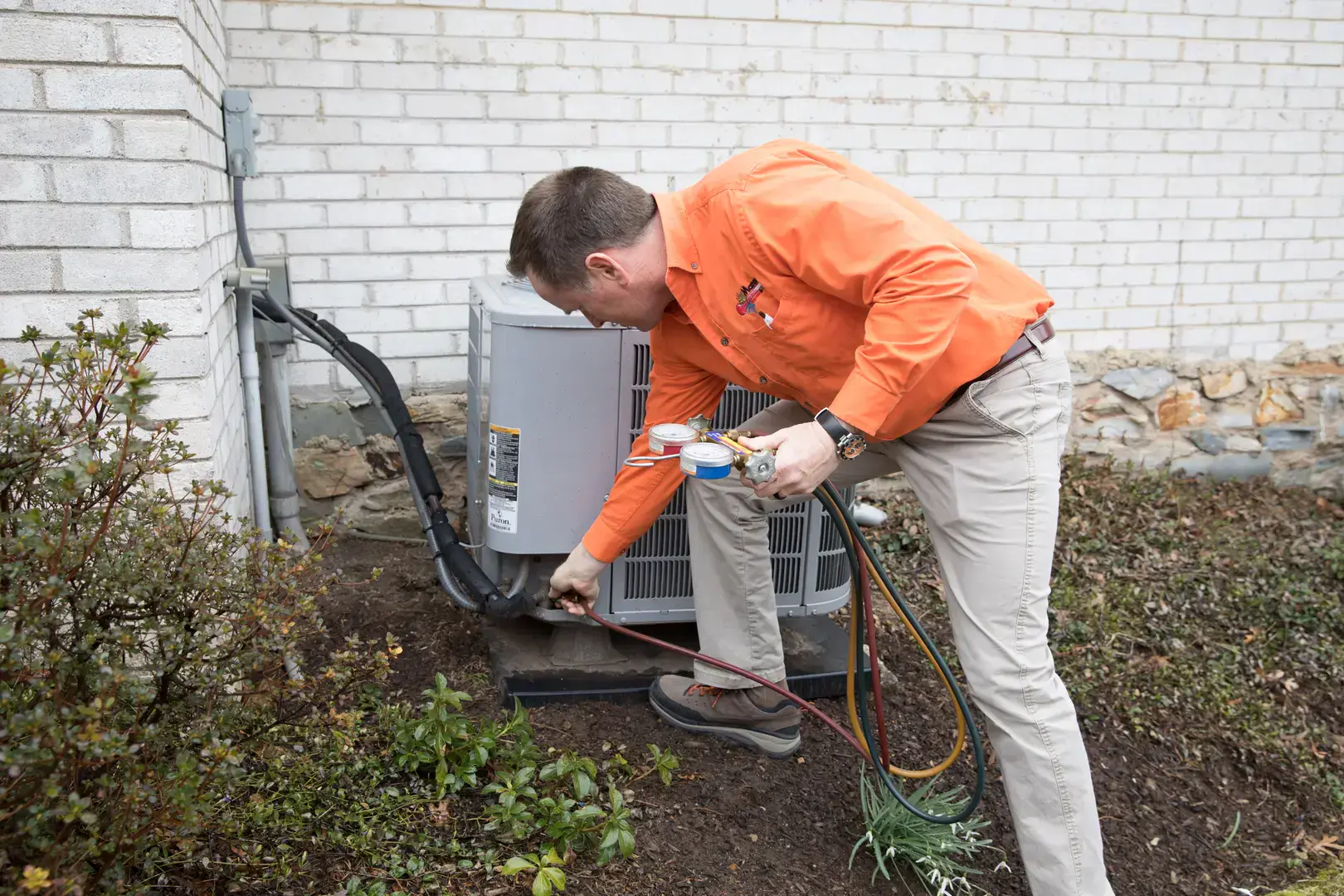
A professional heating tune-up can restore efficiency and ensure safe operation. During a maintenance visit, a licensed HVAC technician will:
• Inspect and clean critical components
• Check system efficiency and airflow
• Identify small issues before they become costly repairs
For homeowners in the DMV area, late-winter maintenance can help systems perform more efficiently through the remainder of the season.
Use Thermostats Strategically
Lowering your thermostat by just a few degrees while sleeping or away from home can reduce energy use without sacrificing comfort. Programmable and smart thermostats make it easier to manage heating schedules and avoid unnecessary runtime.
Improve Home Sealing and Insulation
Simple improvements can significantly reduce heat loss, such as:
• Adding weatherstripping around doors and windows
• Sealing visible duct leaks
• Ensuring attic insulation meets recommended levels
These steps help your heating system maintain consistent temperatures with less energy.
Stay Comfortable and Energy-Efficient Until Spring
High heating bills in February are common—but they’re not unavoidable. With proper HVAC maintenance, improved efficiency, and a better understanding of how your system works, homeowners throughout Northern Virginia and Maryland can stay warm without unnecessary energy costs.
If you have questions about your heating system or want to improve efficiency before winter ends, working with a trusted local HVAC company can make all the difference. A well-maintained system not only saves energy—it provides peace of mind during the coldest weeks of the year.


Contact Mannix Heating and Cooling today!
Keeping you and your family comfortable all year long.