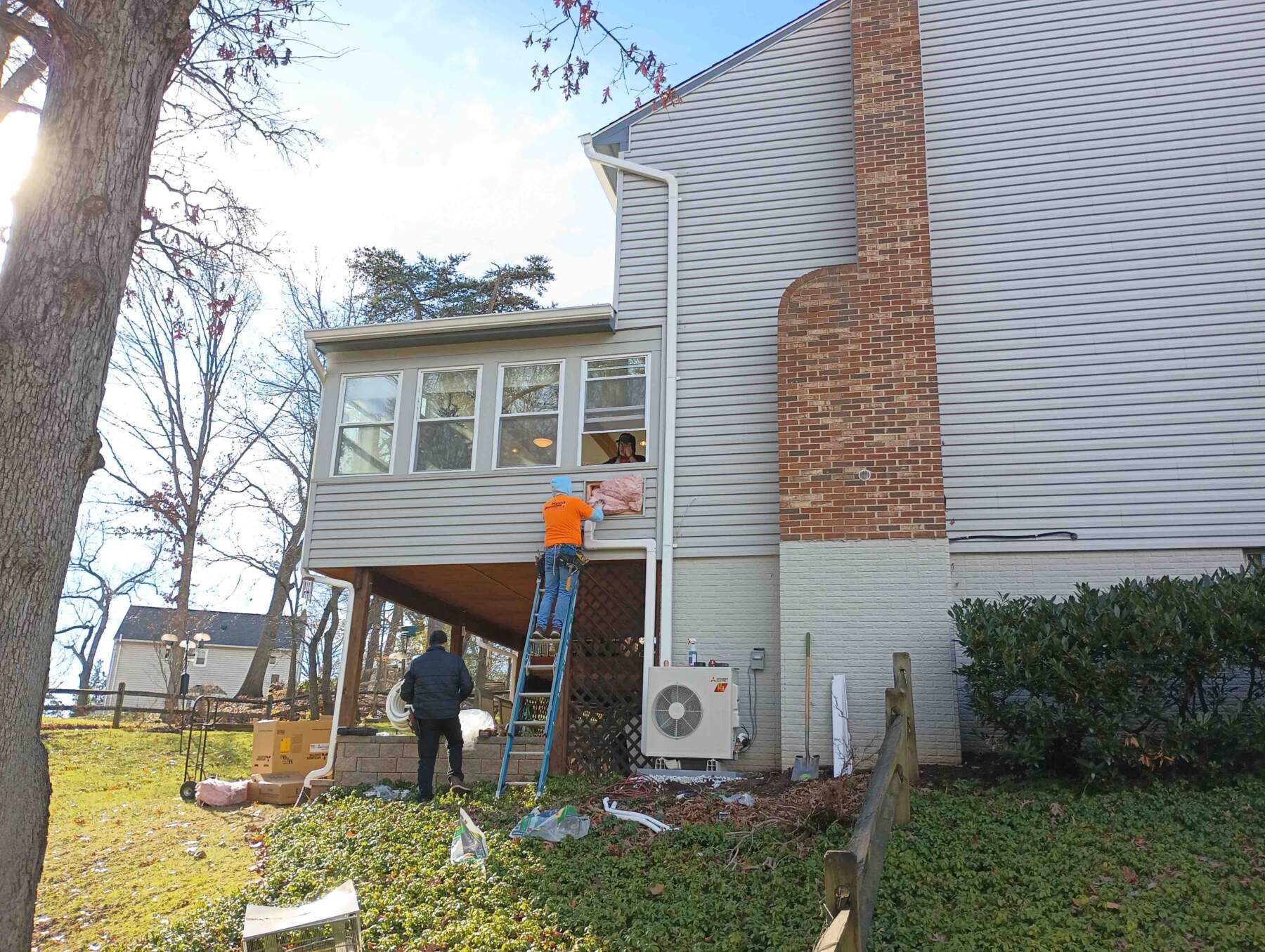
Here are a few things to check when your A/C suddenly stops working.
1. Check Your Thermostat
Start with the simplest possibility: your thermostat.
Make sure it is set to “Cool” and that the temperature is set lower than the current temperature in your home. If your thermostat uses batteries, try replacing them. A thermostat with a blank screen may indicate a battery issue or an electrical problem.
If the thermostat appears to be working properly but your A/C still isn’t cooling, move on to the next step.
2. Check Your Air Filter
A dirty air filter can restrict airflow and make it difficult for your air conditioner to cool your home. In some cases, a severely clogged filter can even cause the system to freeze up.
If your filter is dirty, replace it with a clean one. However, keep in mind that replacing the filter may not solve the problem if the system has already frozen or if another issue is causing the loss of cooling.
3. Check Your Circuit Breaker
If your A/C isn’t running at all, check your home’s electrical panel. A tripped breaker may be preventing your system from operating.
If you find a tripped breaker, you can reset it once. If it trips again, do not continue resetting it. Repeatedly tripping breakers can indicate an electrical problem that should be diagnosed by a qualified HVAC professional.
4. Check the Outdoor Unit
Take a look at your outdoor A/C unit. Is it running? Is the fan spinning? Is there debris blocking the unit?
Leaves, grass, dirt, and other debris can restrict airflow around the outdoor unit. Make sure the area around the unit is clear, but never attempt to open the unit or work on electrical components yourself.
If the outdoor unit is completely silent while your indoor system is running, or if it is making unusual noises, professional service may be needed.
5. Look for Signs of a Frozen System
If your A/C is blowing warm air, check the indoor unit and refrigerant lines for ice. Ice buildup can be a sign of restricted airflow, low refrigerant, or another problem with the system.
If you see ice, turn the system off and allow it to thaw. Running a frozen A/C system can potentially cause additional damage. Once the system has thawed, a professional technician can determine what caused it to freeze in the first place.
6. Don’t Ignore Unusual Sounds or Smells
Strange noises or odors coming from your A/C system should not be ignored.
Grinding, buzzing, squealing, rattling, or clicking sounds can indicate a mechanical or electrical issue. Burning smells should be taken seriously, and you should turn off the system and contact a professional.
The sooner a problem is diagnosed, the better the chance of preventing a small issue from becoming a larger and more expensive repair.
7. Know When to Call an HVAC Professional
Sometimes, the problem is simple. Other times, an A/C system that suddenly stops cooling may have a more serious issue, such as:
- A failed capacitor
- A faulty motor
- Low refrigerant caused by a leak
- Electrical problems
- A frozen evaporator coil
- A malfunctioning thermostat
- A compressor problem
- A clogged drain line
These issues require proper diagnosis and repair by a qualified HVAC technician. Attempting to repair electrical or refrigerant-related problems yourself can be dangerous and may cause further damage to your system.
What Can You Do While Waiting for HVAC Service?
If your A/C stops working during extreme heat, there are a few ways to stay more comfortable while waiting for help:
- Close blinds and curtains to block direct sunlight.
- Keep doors and windows closed to prevent warm air from entering.
- Use fans to help circulate air.
- Avoid using ovens and other appliances that generate heat.
- Stay hydrated.
- If your home becomes dangerously hot, consider