Gas Pool Heaters
A gas pool heater can raise the temperature of an average residential pool by roughly one to two degrees per hour, which makes it the fastest way to warm water when you want to swim on demand rather than waiting on the weather. Unlike solar systems that depend on sunshine or heat pumps that pull warmth from the surrounding air, a gas unit produces heat by burning natural gas or propane inside a combustion chamber. That independence from outdoor temperature is exactly why so many homeowners rely on them for extended swim seasons and reliable comfort.
How a Gas Pool Heater Actually Works
The core of a gas pool heater is straightforward but engineered for durability. Water is drawn from the pool by the circulation pump and pushed through a filter before it enters the heater. Inside, a burner ignites gas and heats a series of copper or cupro-nickel coils. As pool water flows across those hot coils, it absorbs the heat and returns to the pool warmer than it left. This continuous loop repeats until the water reaches the temperature you set on the control panel.
Modern units use electronic ignition rather than a standing pilot light, which reduces wasted fuel and improves safety. Many models achieve thermal efficiencies in the range of 82 to 95 percent, meaning most of the energy in the gas is transferred directly into the water rather than lost up the exhaust. At Mannix Heating and Cooling, we help homeowners understand these efficiency ratings so they can choose a heater that balances upfront investment against long-term operating cost.
Sizing and Selecting the Right Unit
Choosing a gas pool heater is not simply a matter of picking the biggest model available. The correct size depends on the surface area of your pool, your desired water temperature, the average air temperature during use, and how much wind exposure the pool experiences. Surface area matters most because that is where the majority of heat loss occurs through evaporation. A heater that is undersized will struggle to reach your target temperature, while one that is oversized wastes fuel and money.
Gas pool heaters are rated in BTUs, typically ranging from 100,000 up to 400,000 BTUs for residential applications. To determine the right capacity, we calculate the temperature rise needed and match it to the pool’s dimensions. Consider a few common scenarios where sizing makes a real difference:
- Small spa or plunge pool: A lower BTU unit heats a compact volume quickly and is ideal for owners who want fast warm-up times for evening use.
- Standard family pool: A mid-range heater around 250,000 BTUs handles the demands of frequent recreational swimming without excessive fuel consumption.
- Large or exposed pool: High-BTU units combined with a cover offset the greater heat loss found in windy or shaded locations.
The Installation Process
Proper installation determines how safely and efficiently a gas pool heater performs over its lifetime. Our approach follows a deliberate sequence to ensure every connection meets code and every component functions as intended. We treat gas line work, venting, and electrical connections with equal care because a shortcut in any one of them can compromise the whole system.
Here is how we handle a typical gas pool heater installation from beginning to end:
- Site evaluation: We inspect the pool equipment pad, verify gas supply capacity, and confirm there is adequate clearance for combustion air and exhaust.
- Gas and plumbing connections: We size and run the gas line to deliver the correct pressure, then integrate the heater into the existing circulation plumbing after the filter.
- Electrical and controls: We wire the ignition and control board, then program the thermostat settings to match your preferences.
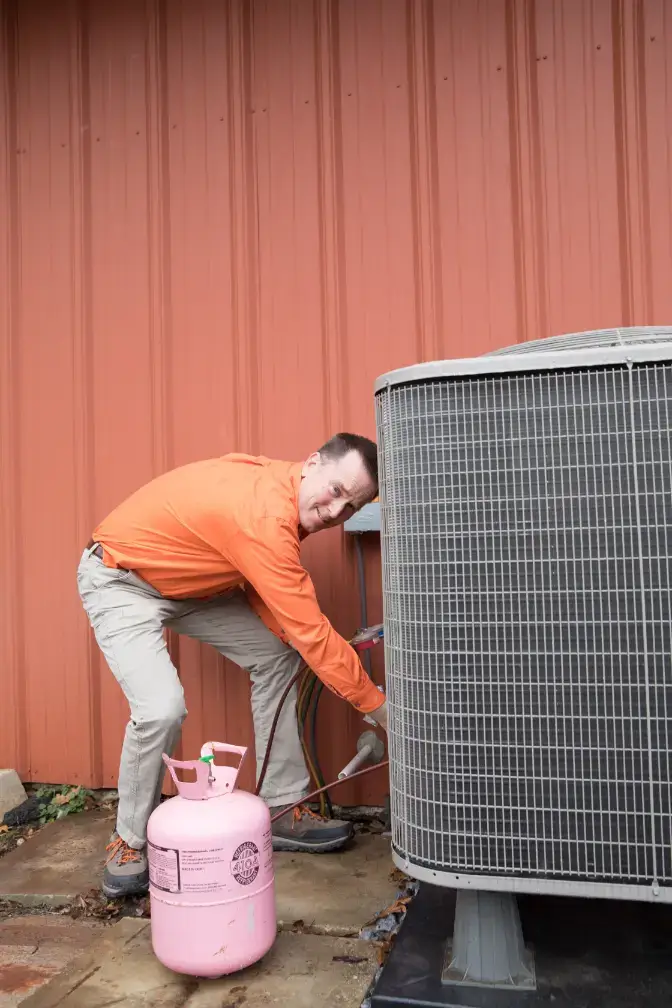
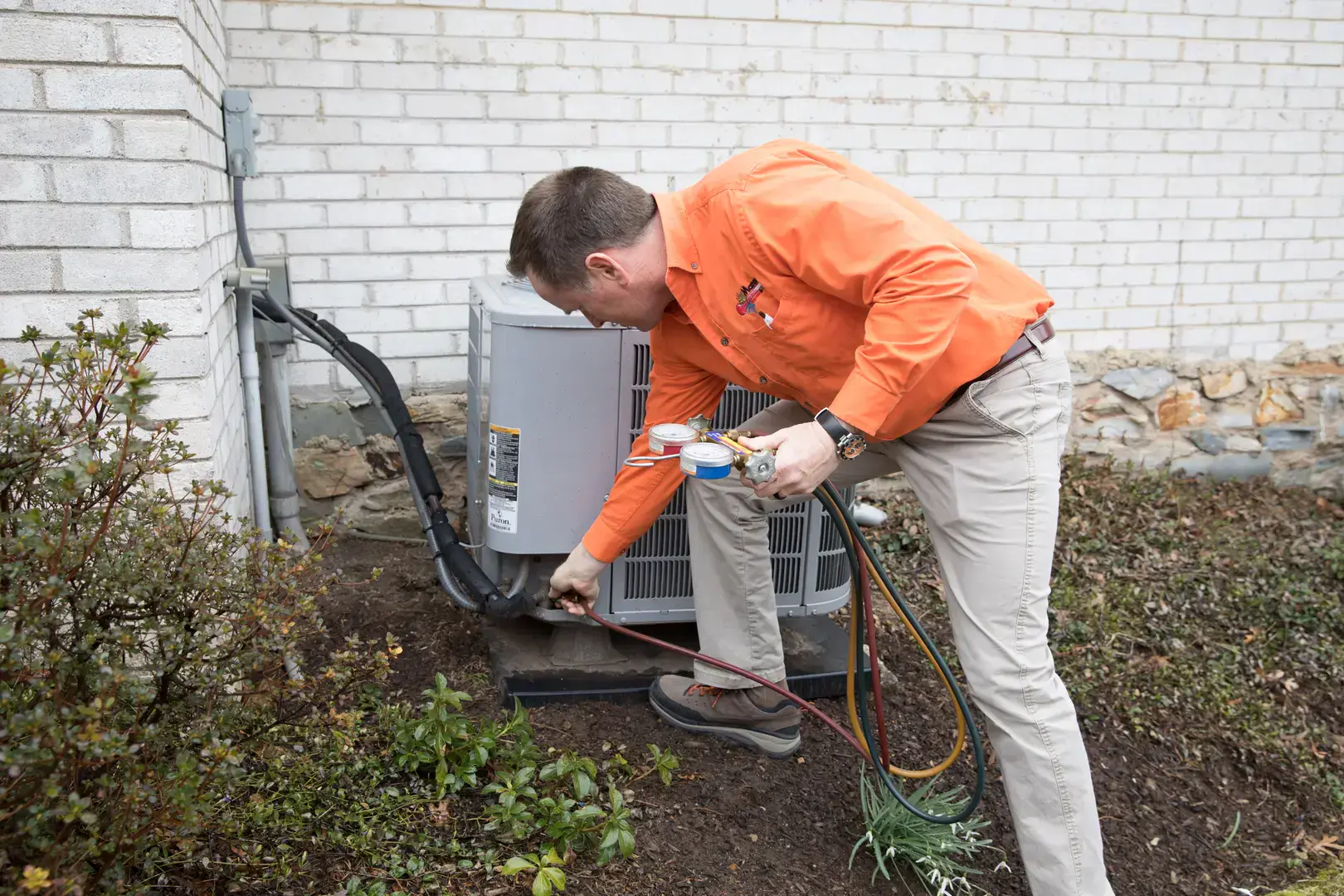
- Testing and commissioning: We fire the unit, check for leaks, confirm proper flame characteristics, and verify the temperature rise across the heat exchanger.
Skipping any of these steps introduces risk, which is why professional installation pays off in both safety and longevity. A correctly commissioned heater runs cleaner, lasts longer, and holds its efficiency year after year.
Applications Beyond the Backyard Pool
Gas pool heaters serve more than the typical suburban swimming pool. Their ability to deliver rapid, on-demand heat makes them valuable in settings where cold water simply is not acceptable. Therapy and rehabilitation pools depend on consistently warm water to help patients move comfortably during treatment. Hotels and community centers use gas heaters to keep pools inviting regardless of weather, protecting the guest experience even when the outdoor temperature drops.
Attached spas and hot tubs are another common use. Because a spa holds far less water than a full pool, a gas heater can bring it to a soaking temperature in a fraction of the time a heat pump would require. This responsiveness is a defining advantage. Homeowners across Gaithersburg, MD, Chantilly, VA, Treasure Island, FL and their surrounding areas who want the flexibility to swim early in spring or late into fall find that a gas heater delivers exactly the kind of reliable warmth that other technologies struggle to match on chilly days.
Maintenance and Long-Term Reliability
Like any combustion appliance, a gas pool heater benefits from regular attention. Over time, mineral scale can build up inside the heat exchanger, especially in areas with hard water, and that scale reduces heat transfer efficiency. Debris and insects can obstruct burners, and corrosion can affect fittings if water chemistry is left unbalanced. Keeping your pool water properly balanced is one of the single most effective ways to protect the internal components and extend the life of the unit.
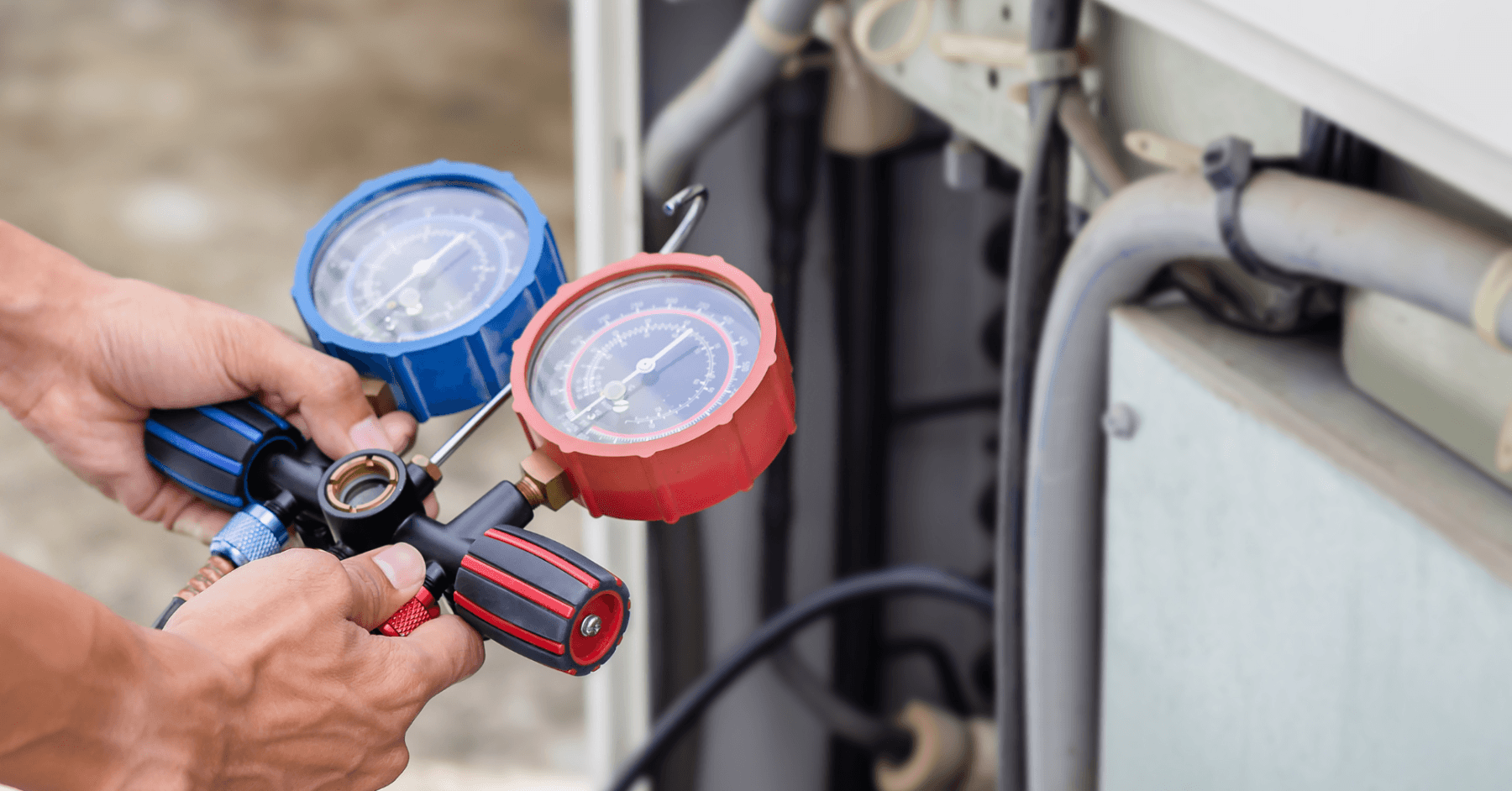
We recommend a professional inspection before the start of each swim season to clean the burners, check the ignition system, examine the heat exchanger, and confirm that gas pressure and venting remain within specification. This preventive care catches small issues before they become expensive failures. If a problem occurs with your heating or cooling system, don’t panic, call Mannix! The same responsive service philosophy that guides our HVAC work applies to pool heating equipment, and Mannix Heating and Cooling stands ready to keep your system running dependably.
Whether you are outfitting a brand-new pool or replacing an aging unit, understanding the technology behind gas pool heating helps you make a confident decision. From accurate sizing and clean installation to seasonal maintenance, every stage contributes to years of comfortable, reliable swimming. Reach out to Mannix Heating and Cooling to discuss the right gas pool heater for your property and swimming habits.


Contact Mannix Heating and Cooling today!
Keeping you and your family comfortable all year long.